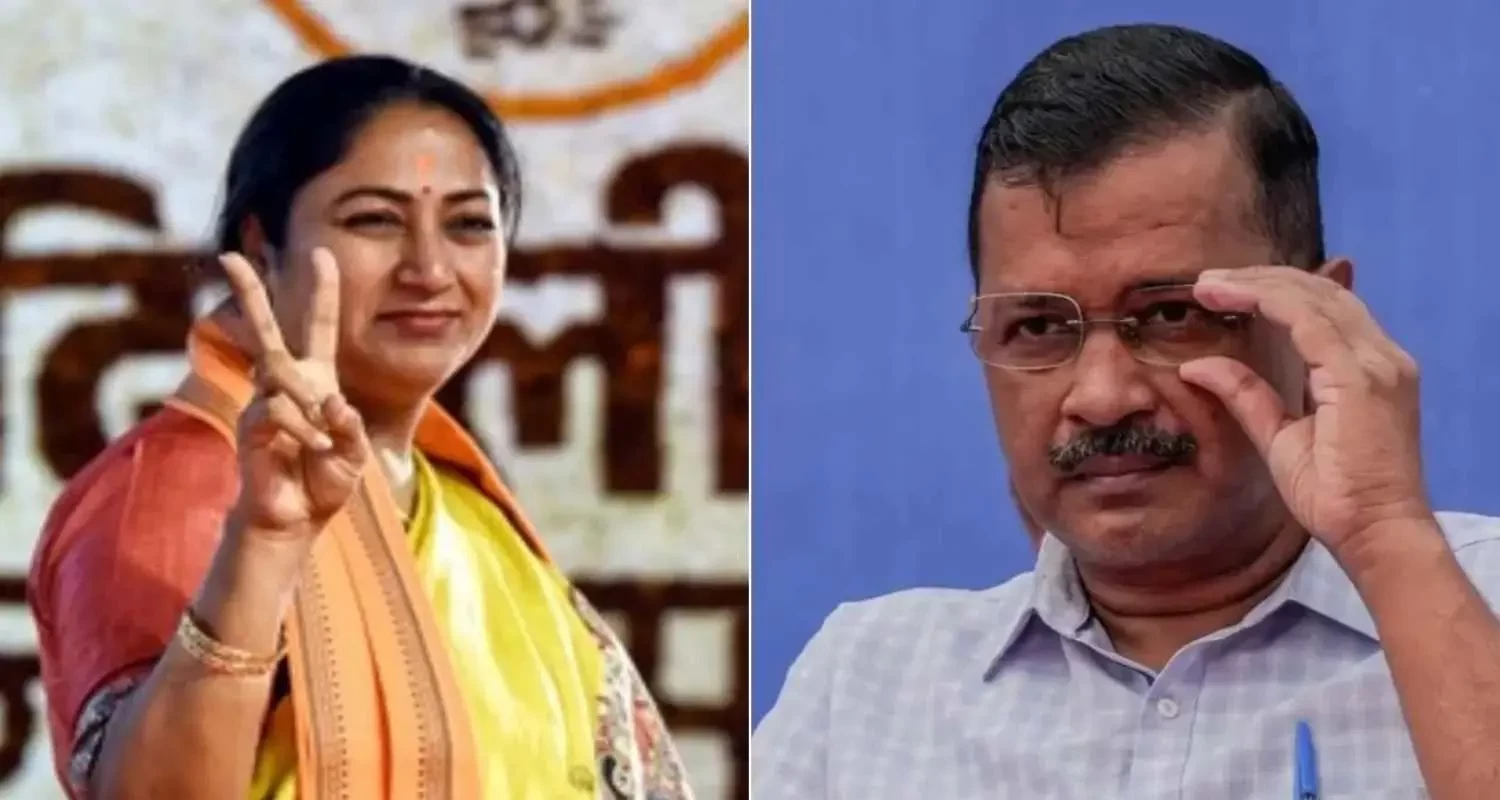
AAP leader Sanjay Jha mocked the Chief Minister’s stance, asserting that while the capital’s skies darken and residents struggle to breathe, such comments overlook expert assessments and tangible health risks, suggesting a disconnect between political rhetoric and lived reality. “The government has been in power for nearly a year now but the pollution conditions have worsened. We can see smog even inside closed room. Meanwhile, the Delhi CM cannot even pronounce AQI, what can we expect from her?” he asked as reported by ANI.
In a statement that has drawn public attention, Delhi Chief Minister Rekha Gupta insisted that air pollution was under reasonable control, comparing AQI to a measure that can be simply read by instruments and urging critics to focus elsewhere.
Delhi’s air quality crisis deepened on Tuesday as the Air Quality Index (AQI) plunged into the hazardous category. AQI surged to 497 with toxic smog enveloping the national capital and large parts of the NCR. Persistent winter weather conditions — including low wind speeds, high humidity and dense fog — have trapped pollutants close to the ground, worsening the toxic haze that residents are forced to breathe.
Among the worst-impacted areas, Jahangirpuri recorded extraordinarily high AQI readings, while more than 30 other localities across the city also reported critically poor air quality, highlighting the scale of the pollution crisis.
Air quality deterioration is not confined to Delhi alone. Cities in the neighbouring National Capital Region (NCR) including Bahadurgarh, Dharuhera, Panipat and Jind are also reporting alarmingly high pollution indices, underscoring how wind patterns and regional emissions have spread hazardous air beyond the capital’s borders.
Experts attribute the current air quality collapse to a combination of local emissions from vehicular traffic, construction dust and industrial pollution, compounded by seasonal factors and external contributors such as crop-residue burning in adjacent states, which all mix under stagnant atmospheric conditions to create a lethal brew of particulate matter.
The effects on residents are tangible and severe: breathing difficulties, eye irritation and aggravated respiratory conditions have been widely reported, particularly among children, the elderly and individuals with pre-existing health issues. In response, authorities have suspended outdoor sports and recommended that people remain indoors as much as possible.