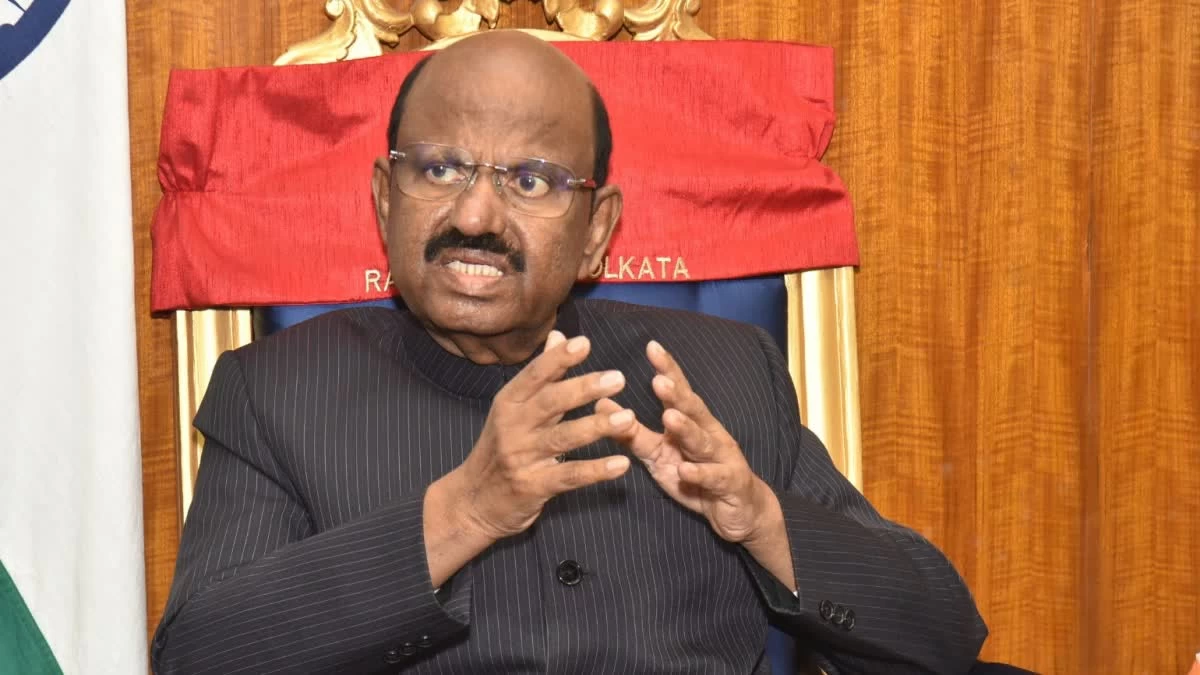
In a stunning development that has sent ripples through West Bengal's political corridors, Governor C.V. Ananda Bose tendered his resignation on Thursday, citing ongoing health concerns as the primary reason for stepping down after a tenure of over three years. The move, coming just days before the anticipated announcement of the 2026 state assembly elections, has ignited speculation about underlying political maneuovers at the Centre, especially as Tamil Nadu Governor R.N. Ravi has been swiftly appointed as Bose's temporary successor.
Bose, a bureaucrat and former secretary in the Union home ministry, assumed the role in November 2022 amid high expectations of bridging the often-fractious relationship between Raj Bhavan and the Trinamool Congress-led state government under Chief Minister Mamata Banerjee. However, his time in office was marked by intermittent clashes, including disputes over university vice-chancellor appointments and delays in assenting to state bills, echoing the broader tensions between governors appointed by the BJP-led Centre and opposition-ruled state administrations. In a brief statement to the press after submitting his resignation to President Droupadi Murmu in Delhi, Bose alluded to personal factors, saying, "I have spent enough time at the Governor's office," but sources close to Raj Bhavan indicated that persistent health challenges, including a recent bout of cardiac issues requiring hospitalisation in April 2025, played a pivotal role in his decision. Despite the official line on health, the timing has fuelled whispers of coercion or strategic reshuffling, with no further clarity emerging from official channels on the exact triggers.
The resignation's announcement was conveyed directly to Banerjee by Union Home Minister Amit Shah via a phone call, a gesture that the Chief Minister described as perfunctory and devoid of the customary consultation protocols. According to Banerjee's office, Shah informed her of Ravi's impending appointment as acting Governor for West Bengal while retaining his Tamil Nadu post on an interim basis, bypassing the tradition of seeking the state chief minister's input on gubernatorial selections. This procedural snub has amplified Banerjee's longstanding grievances against what she terms "federal overreach" by the Centre, particularly resonant in a state where Trinamool has positioned itself as a bulwark against BJP incursions.
Ravi, a retired IPS officer with a career in Central Bureau of Investigation (CBI), intelligence and Northeast affairs, brings a reputation during his current stint with Tamil Nadu government - that could further strain ties in Kolkata. In Tamil Nadu, where he has served since 2021, Ravi has been at loggerheads with DMK Chief Minister M.K. Stalin, culminating in high-profile standoffs such as his dramatic walkout from the state assembly in January 2026 over alleged "insults" to the gubernatorial office. Stalin fired back, accusing Ravi of undermining Tamil pride and patriotism, a charge that highlighted the governor's confrontational style rooted in his advocacy for Hindi imposition and critiques of Dravidian politics. Political analysts suggest that deploying Ravi to Bengal, even temporarily, signals the BJP's intent to leverage the Raj Bhavan as a counterweight to Trinamool's electoral machinery ahead of the polls, potentially scrutinising the government's handling of law and order or administrative appointments.
The electoral context adds layers of intrigue. West Bengal's 294-seat assembly goes to the polls early next year, with the Election Commission expected to unveil the schedule imminently, possibly as soon as next week. Trinamool, riding high on its 2021 landslide victory, faces a resurgent BJP eyeing a comeback through alliances with disaffected regional players and a narrative of "appeasement politics." Bose's exit, while officially health-driven, arrives at a juncture when governors in opposition states have increasingly invoked constitutional powers to delay bills or summon assemblies, tactics that could be amplified under Ravi's watch. “What is happening, what’s the intent of the BJP government at the centre in trying to change the Governor, what’s the nefarious idea of the Union Home Minister? When Bengal is gearing up for elections, what’s the hurry in changing the governor. You don’t want democracy to prevail in Bengal? Is is that you want to bring the President’s rule here in Bengal? Why was it never consulted with the chief minister?” questioned Dr Shashi Panja, TMC minister, hinting at fears of engineered disruptions to the campaign.
Banerjee wasted no time in voicing her dismay, taking to ‘X’ to lambast the development as an assault on cooperative federalism. In a post that quickly garnered thousands of interactions, she wrote:
"I am shocked and deeply concerned by the sudden news of the resignation of Shri C. V. Ananda Bose, the Governor of West Bengal. The reasons behind his resignation are not known to me at this moment. However, given the prevailing circumstances, I would not be surprised if the Governor has been subjected to some pressure from the Union Home Minister to serve certain political interests on the eve of the forthcoming State Assembly elections. Union Home Minister just informed me that Shri R.N. Ravi is being appointed as Governor of West Bengal. He never consulted with me as per the established convention in this regard. Such actions undermine the spirit of the Constitution of India and strike at the very foundation of our federal structure. The Centre must respect the principles of cooperative federalism and refrain from taking unilateral decisions that erode democratic conventions and the dignity of States”
Bose's legacy in Bengal is mixed. On one hand, he championed initiatives like student engagement programs and environmental advocacy, earning praise for his accessibility. On the other, his withholding of assent to over a dozen bills - later challenged in the Supreme Court, drew accusations of partisanship from Trinamool.