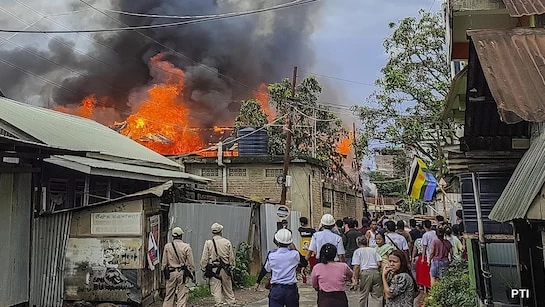
In the shadow of the iconic Red Fort, a deadly explosion on November 10 shattered the capital's fragile sense of security, claiming 13 lives and leaving dozens wounded. What began as a probe into a seemingly isolated car blast has since unraveled a chilling web of radicalisation and calculated malice - a sophisticated terror outfit masquerading as everyday professionals, driven by a thirst for vengeance tied to “historical grievances”. At its core lies a diabolical strategy of psychological manipulation, where vulnerable minds were systematically twisted into tools of destruction, revealing the insidious depths of modern extremism.
The blast, which authorities now classify as a botched vehicle-borne improvised explosive device (VBIED) attack, originated from a rented sedan packed with homemade explosives, including ammonium nitrate and other volatile chemicals sourced illicitly. The driver, identified through forensic remnants as 28-year-old Umar Un Nabi - a soft-spoken assistant professor from Pulwama, Jammu and Kashmir, employed at a Faridabad university - perished in the detonation, identified as one of the masterminds. Investigators believe the premature blast stemmed from operational panic, triggered by a wave of preemptive arrests that forced the cell into hasty action.
Adding to the enigma at the scene were three 9mm ammunition casings - two unfired and one spent - scattered amid the debris. These high-caliber rounds, strictly barred from civilian possession under Indian law, hinted at a broader arsenal, though no firearm or components were located nearby. Police have ruled out involvement from on-duty officers, whose equipment logs showed no discrepancies, fuelling speculation that the shells were remnants of a planned secondary assault or a discarded decoy to sow confusion. The National Investigation Agency (NIA), leading the multi-state inquiry, has since expanded its scope, interrogating over 70 witnesses and raiding hideouts across Haryana, Uttar Pradesh, and Kashmir to map the network's footprints.
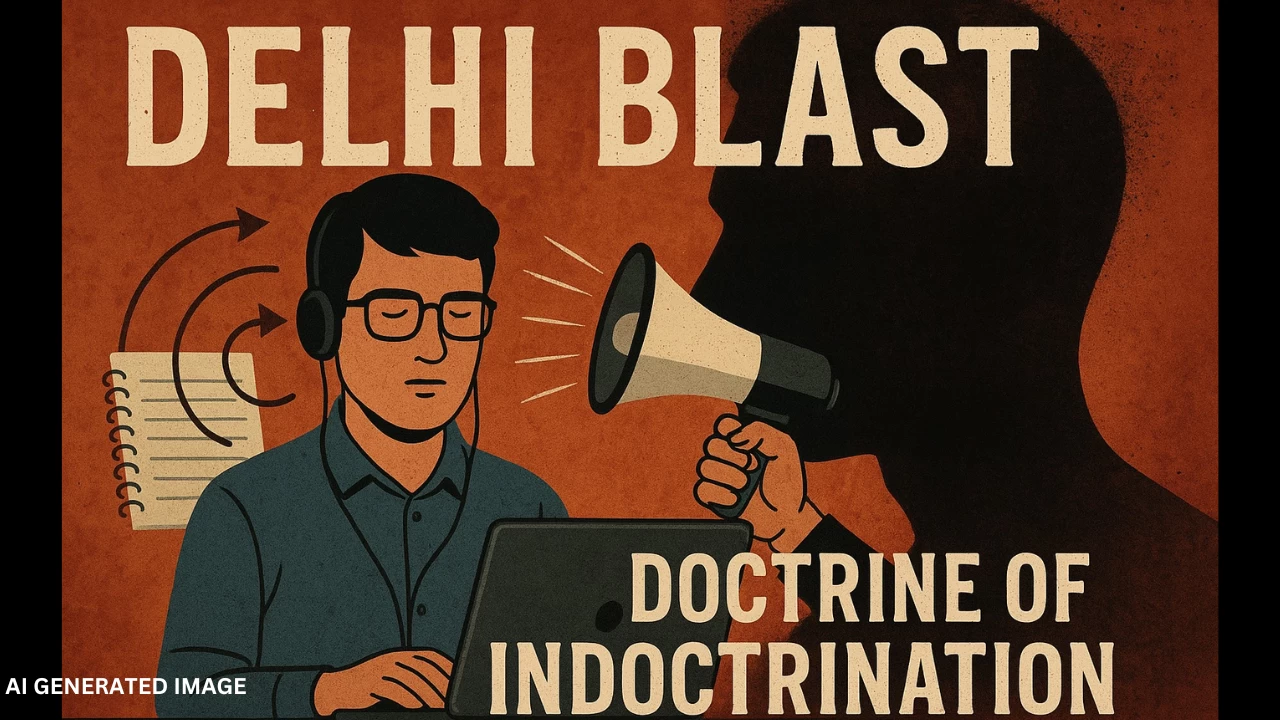
Central to this unfolding horror is the detention of Danish, who goes by the alias Jasir, a young political science graduate from Kashmir ensnared in the cell's grip. His capture in Jammu and Kashmir marked a pivotal break, as his disclosures peeled back layers of the group's recruitment machinery. Jasir recounted being drawn in during a discreet gathering at a Kulgam mosque last October, where ‘charismatic’ figures preyed on local discontent. What followed was a months-long descent into delusion: private sessions laced with distorted narratives of historical injustices, particularly the 1992 Babri Masjid demolition, reframed as a divine call to retribution. Handouts of inflammatory literature and digital propaganda - curated by a shadowy imam with medical training, eroded his reservations, painting suicide missions as heroic sacrifices for a greater cause.
This wasn't crude coercion but a refined form of mental siege, akin to a psychological reprogramming. The module's architects, including Nabi and his accomplice, a fellow medic named Muzammil Ahmad Ganaie, leveraged their educated facades to build trust. Having traveled abroad years earlier to forge ties with overseas handlers, they returned with blueprints for chaos: stockpiling over 300 kilograms of bomb-making precursors in nondescript storage near their university, funnelled through a shadowy hawala pipeline that laundered roughly 20 lakh rupees. Jasir was initially groomed as the ideal operative - an "overground worker" blending into urban life - relocated to a Faridabad safe-house for handson training. Yet, as the noose tightened with impending deadlines around the Babri anniversary on December 6, his handlers pivoted ruthlessly, pressuring him toward self-immolation when doubts surfaced over funds and faith. He ultimately withdrew, citing moral qualms, but not before implicating others in the chain.
The cell's malevolence extended far beyond individual coercion; it was a meticulously engineered syndicate of "white-collar" extremists, blending academic credentials with “jihadist zeal”. Linked to the Pakistan-based Jaish-e-Mohammed, the group orchestrated an interstate relay of logistics - from chemical acquisitions in Uttar Pradesh to vehicle modifications in Kashmir, while posting cryptic recruitment flyers in Srinagar neighbourhoods to swell their ranks. Associates like Amir Rashid Ali, nabbed for procuring the blast vehicle under a false registry, and another aide known only as Shaheen, exposed fractures within: bitter quarrels over skimmed funds underscored a greed-tinged fanaticism that betrayed their pious rhetoric.
What makes this module particularly fiendish is its predatory efficiency - exploiting educated youth's aspirations to fuel carnage, all while evading detection through mundane covers like lectures and clinics. Nabi, hailed internally as a "hardcore visionary," fixated on suicide tactics as the pinnacle of devotion, scouting prospects relentlessly after early recruits faltered. This blend of intellectual grooming and explosive ambition nearly timed a larger strike for maximum symbolic impact, only derailed by vigilant policing that seized tons of precursors and dismantled the core in a flurry of raids.