In a heartbreaking turn of events that has left the music world reeling, acclaimed Assamese singer Zubeen Garg, fondly known as the "Rockstar of the Northeast," passed away at the age of 52 following a scuba diving incident off Singapore's coast. The versatile artist, celebrated for his soul-stirring voice and cultural advocacy, breathed his last in the intensive care unit of Singapore General Hospital, casting a pall of sorrow over Assam and beyond.
Garg had arrived in Singapore earlier this week as the cultural ambassador for the fourth edition of the North East India Festival, a vibrant showcase of regional arts organised by Guwahati-based Trends MMS. Slated to headline a performance that evening, he decided to unwind with a morning dive in the azure waters near Sentosa Island, a leisure activity he often shared with fans on social media as a way to connect with nature. Eyewitnesses and festival organisers recounted that the mishap unfolded around 1:30 p.m. local time when Garg suddenly signalled distress, grappling with acute breathing issues amid the underwater currents.
Local authorities, including Singapore's maritime rescue team, sprang into action, pulling him to the surface and administering immediate cardiopulmonary resuscitation (CPR) on the boat. Despite the swift intervention and transfer to the hospital via ambulance, medical teams fought a losing battle. Pronounced dead at approximately 2:30 p.m. IST, the cause was preliminarily attributed to a possible equipment malfunction or sudden health complication, pending a formal autopsy. "Our hearts are shattered; Zubeen was the festival's beating pulse," said a tearful event coordinator in a statement to media outlets. Garg leaves behind his wife, Garima Mahanta, a playback singer, and a legion of admirers who viewed him as more than an entertainer, a beacon of regional pride.
Born Zubeen Borthakur on November 18, 1972, in Tura, Meghalaya, to an Assamese family, Garg's journey from a small town dreamer to a pan-Indian sensation was nothing short of legendary. Adopting his stage surname from his gotra in the 1990s, he burst onto the Assamese scene with folk-infused tracks like "O Mur Apunar Desh," blending traditional Bihu rhythms with rock edges. His national breakthrough came in 2006 with the haunting qawwali "Ya Ali" from the film Gangster, a chartbuster that earned him a Filmfare nomination and introduced his raw, emotive timbre to Bollywood audiences. Over three decades, Garg's discography ballooned to over 40,000 songs across Assamese, Hindi, Bengali, and Bhojpuri, including timeless hits like "Puwar Hahit Sesa Botah" and "Dilruba." As a composer and actor, he helmed Assamese blockbusters such as ‘Mission China’ and ‘Sikaar’, using cinema to spotlight social ills like corruption and environmental degradation.
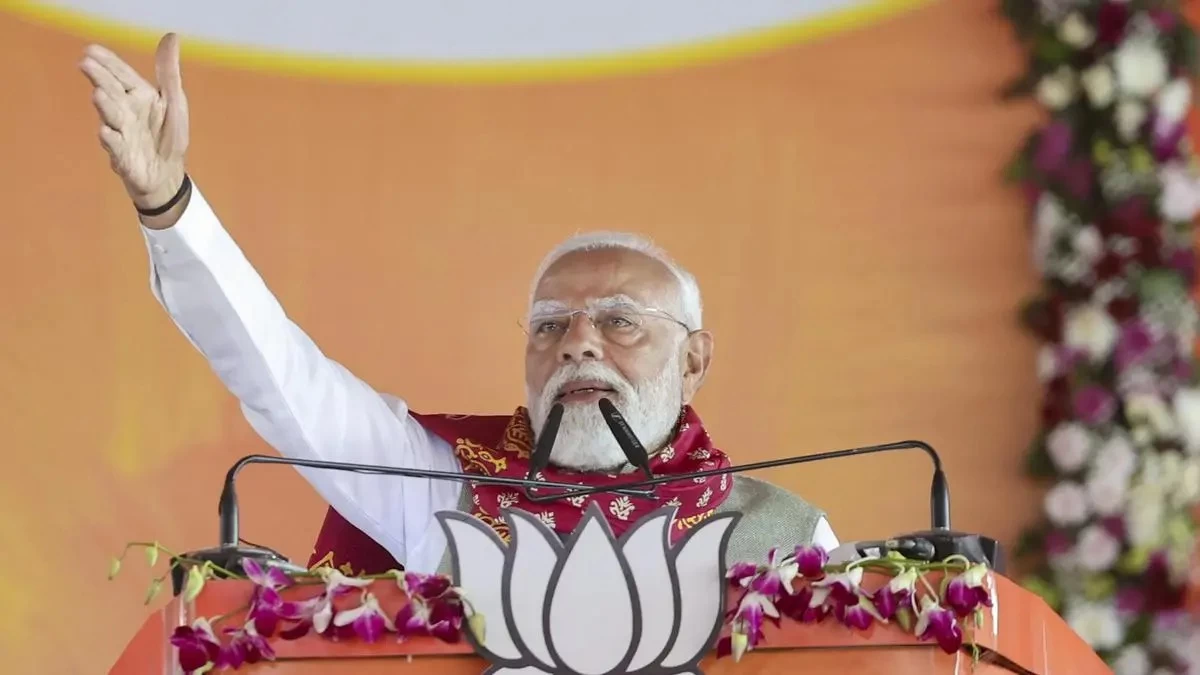
Yet, Garg's legacy transcended melodies. Through his Kalaguru Artiste Foundation, he championed flood relief in Assam's Brahmaputra basin, funded scholarships for underprivileged youth, and rallied against the 2019 Citizenship Amendment Act (CAA) in peaceful student-led marches. During the 2021 COVID-19 wave, he auctioned personal memorabilia for medical aid and organised charity football matches to uplift flood-hit communities. "Zubeen's art wasn't just entertainment; it was activism wrapped in harmony," reflected actor Adil Hussain, a longtime collaborator, in a poignant social media tribute. Prime Minister Narendra Modi echoed this sentiment, posting on X: "Shocked by the sudden demise of popular singer Zubeen Garg. He will be remembered for his rich contribution to music... Om Shanti."
The news triggered an outpouring of grief across the Northeast. In Guwahati, impromptu vigils sprang up outside his Jorhat residence, where fans lit candles and crooned his anthems late into the night. Bollywood peers like Emraan Hashmi, whose ‘Gangster’ collaboration immortalised "Ya Ali," shared memories of studio sessions filled with laughter and innovation. Leader of Opposition Rahul Gandhi termed it a "terrible tragedy," praising how Garg "overcame personal hardships to redefine Assamese sounds."
Assam Chief Minister Himanta Biswa Sarma, a vocal admirer of Garg, led the official response with raw emotion. In a series of X posts, he lamented: "শব্দ আজি নিজেই নিজত আবদ্ধ. Today Assam lost one of its favourite sons. I am in a loss of words to describe what Zubeen meant for Assam. He has gone too early... Zubeen's voice had an unmatched ability to energise people and his music spoke directly to our minds and souls. He has left a void that will never be filled." Sarma, who has publicly hailed Garg in past birthdays and cultural events, swiftly coordinated repatriation efforts. "I am in constant touch with the High Commissioner of India H.E Dr Shilpak Ambule. We are coordinating to ensure beloved Zubeen’s mortal remains return to Assam at the earliest," he updated, noting the body could arrive by Saturday evening post-autopsy, if required by Singaporean protocols.
As India mourns, Garg's indomitable spirit endures in every lyric that once rallied hearts. From Bihu fairs to Bollywood screens, his tunes will echo eternally, a testament to a life lived fiercely - for art, for people, for home.