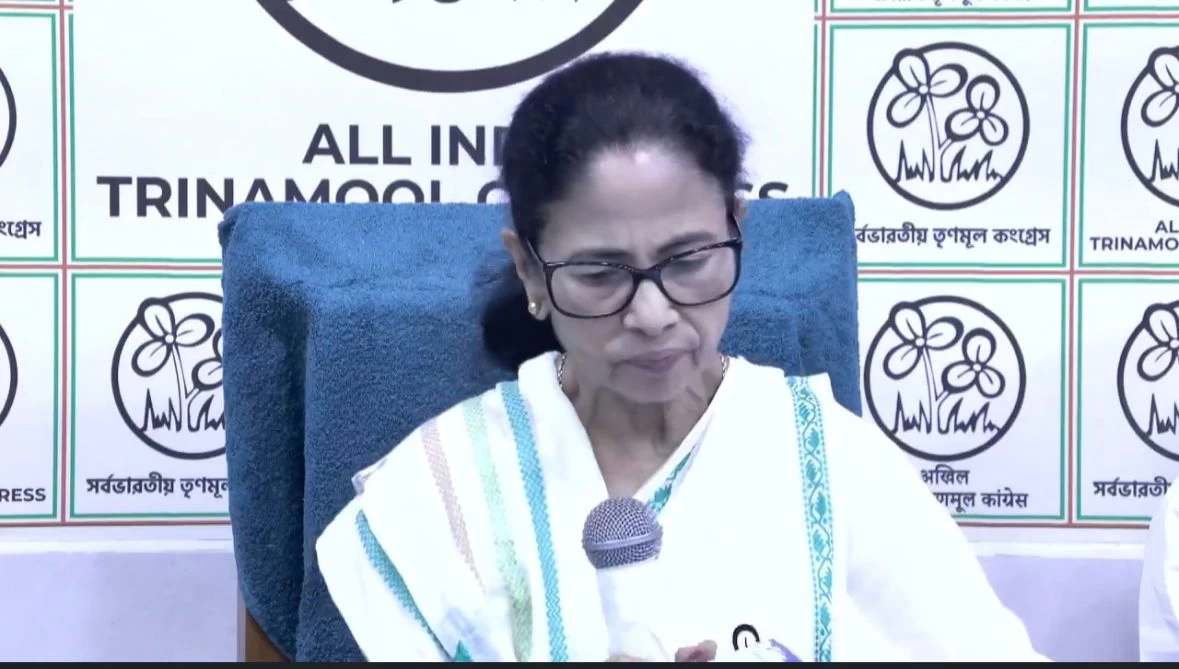
With the 2026 West Bengal Assembly Elections around the corner, the Trinamool Congress has unveiled its manifesto, positioning it as a people-first roadmap anchored in “Didi’s 10 pledges.”
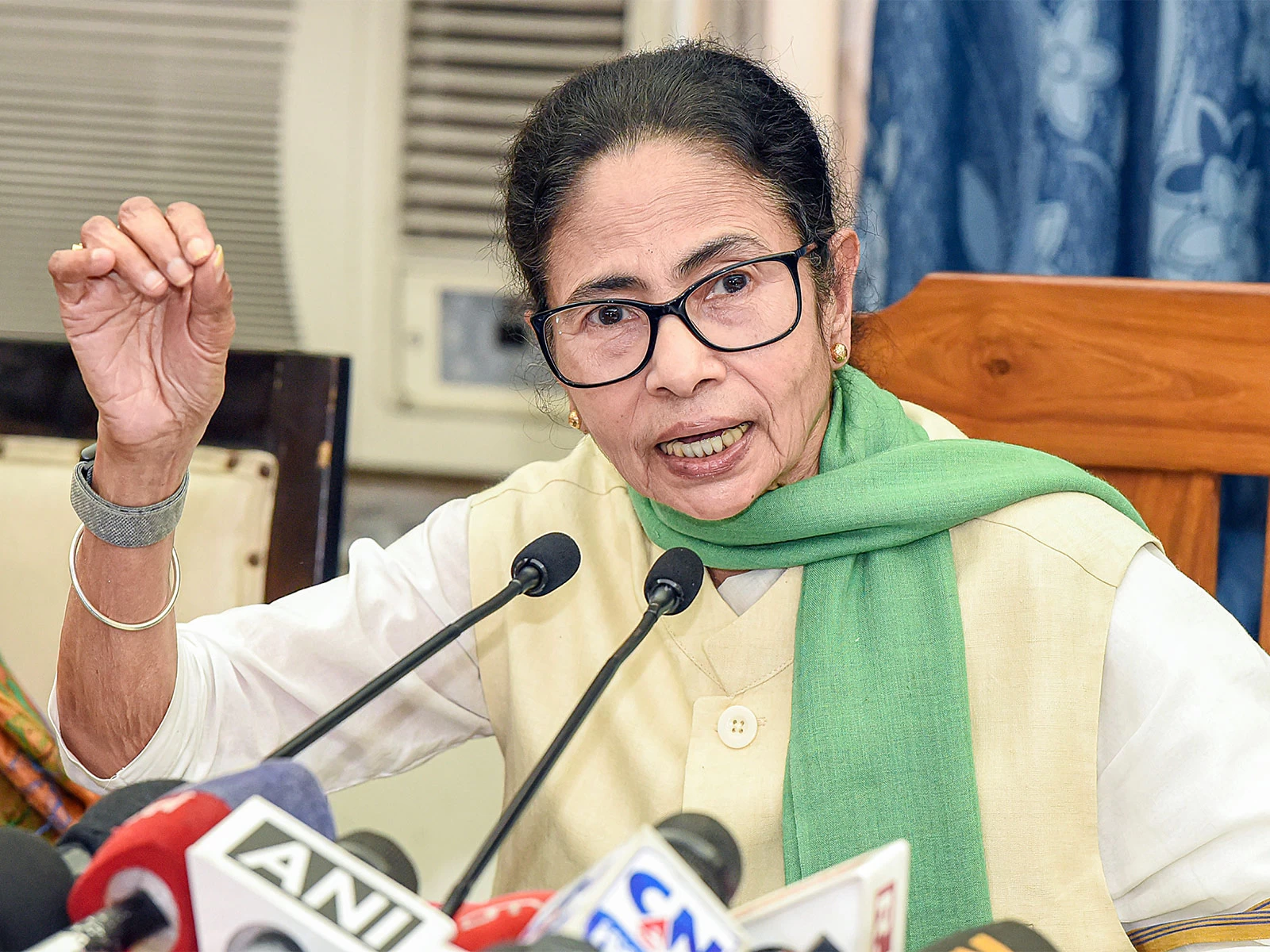
Led by Chief Minister Mamata Banerjee, the party has sharpened its focus on welfare delivery, social security, and grassroots development—seeking to reinforce its connect with key voter groups, especially women, youth, and farmers.
At the heart of the manifesto is an expansion of existing flagship schemes. Financial assistance under Lakshmir Bhandar is set to increase, with higher monthly support promised for women across categories. This move signals the party’s continued emphasis on direct benefit transfers as a core electoral strategy.
The manifesto also highlights sustained support for unemployed youth through monthly stipends under the Yuva-focused scheme, while agriculture gets a major boost with a proposed multi-thousand crore budget aimed at farmers, including those without land ownership.
Beyond welfare, the party has outlined plans to expand healthcare access through doorstep medical services and upgrade educational infrastructure with digital learning facilities. Administrative restructuring, including the creation of new districts and municipalities, also features in the roadmap.
Framing the manifesto as a response to what it calls increasing central interference, the TMC leadership has emphasized protecting Bengal’s identity while continuing its welfare-driven governance model.
As the state gears up for polling in April, the manifesto underscores a familiar but sharpened pitch: continuity in welfare, targeted expansion of benefits, and a promise of inclusive growth—aimed at securing a renewed mandate in a highly competitive electoral battle.