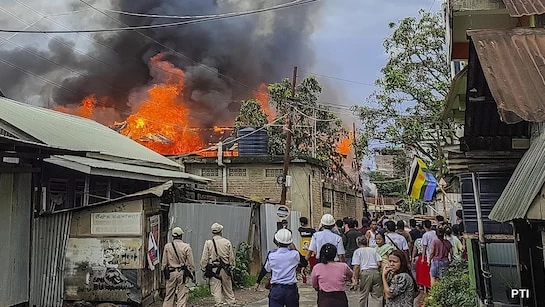
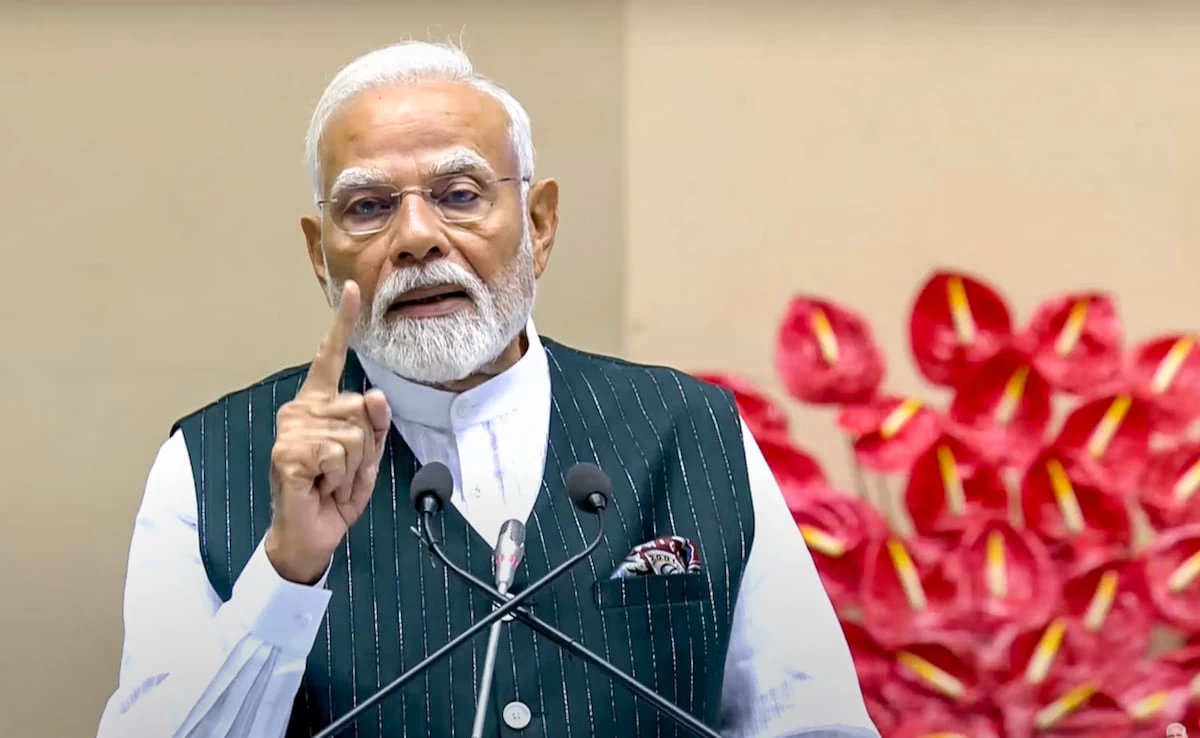
Prime Minister Narendra Modi is scheduled to arrive in Manipur on September 13 for a high-profile visit, marking his first trip to the northeastern state in 28 months since the outbreak of ethnic violence on May 3, 2023, which plunged the region into chaos and displaced thousands. More than 200 people have died, over 60,000 were internally displaced. This will also be his first visit since the imposition of President's Rule earlier this year, a move aimed at stabilising the administration amid ongoing unrest.
The visit comes at a critical juncture for Manipur, a state still reeling from the scars of conflict. What began as clashes between the Meitei community and the Kuki-Zo tribes has evolved into a protracted crisis. Numerous individuals continue to endure harsh conditions in relief camps scattered across the valleys and hills, where access to basic amenities like clean water, medical care, and education remains a daily struggle.
Security measures for Modi's arrival have been ramped up significantly, with multiple layers of deployment involving central and state forces. Checkpoints have been established along key routes, and aerial surveillance is in place to monitor potential threats. "We are leaving no stone unturned to guarantee the Prime Minister's safety and the overall security of the region," said a senior official from the Manipur Police, speaking on condition of anonymity.
In the capital city of Imphal and the hill district of Churachandpur, the atmosphere is a mix of anticipation and apprehension. Streets are lined with posters and billboards featuring the Prime Minister's image, emblazoned with messages of unity and development. These displays, put up by local BJP workers and government agencies, aim to project a sense of normalcy and hope for reconciliation. However, beneath the surface, the divide persists, with sporadic incidents of violence reported even in recent weeks.
For those in the relief camps, the visit evokes mixed emotions. In a camp near Bishnupur district, where families have sought refuge for over two years, residents expressed cautious optimism tempered by frustration over unfulfilled promises.
"I hope the Prime Minister sees our reality here, the leaky tents, the lack of jobs, the fear that keeps us from going home," said Rajesh Kumar, a 45-year-old father of three who fled his village in Churachandpur during the initial clashes. "We've waited so long for help. If this visit brings real change, it could be a turning point."
Nearby, Meena, a mother in her late 30s, shared her concerns while tending to her young children. "The violence took everything from us, and now we're just surviving. President's Rule hasn't fixed our lives. We always wanted the PM to come. I pray Modiji listens to us and pushes for peace that lasts," she said, her voice laced with exhaustion.
Modi's agenda remains closely guarded, but sources indicate it may include interactions with local leaders, meet the internally displaced people (IDP), and announcements of development package worth Rs 7,300 crores. The Rajbhavan emphasised that the trip underscores the central government's commitment to restoring harmony in Manipur. "This is an opportunity to reaffirm our resolve for inclusive growth and to address the grievances of all communities," an official noted.
In Churachandpur several posters have been plastered reading “Kuki-Zo community welcomes PM Narendra Modi”. Inside a relief camp in Churachandpur’s Moulvaiphei, the mood was weighing off uncertainty. Most of them were unwilling to attend the gathering. “We had hopes but not many more. If PM’s visit changes our lives for good then we will say ‘thank you sir’, until then neither we are going not expecting much”, said David.