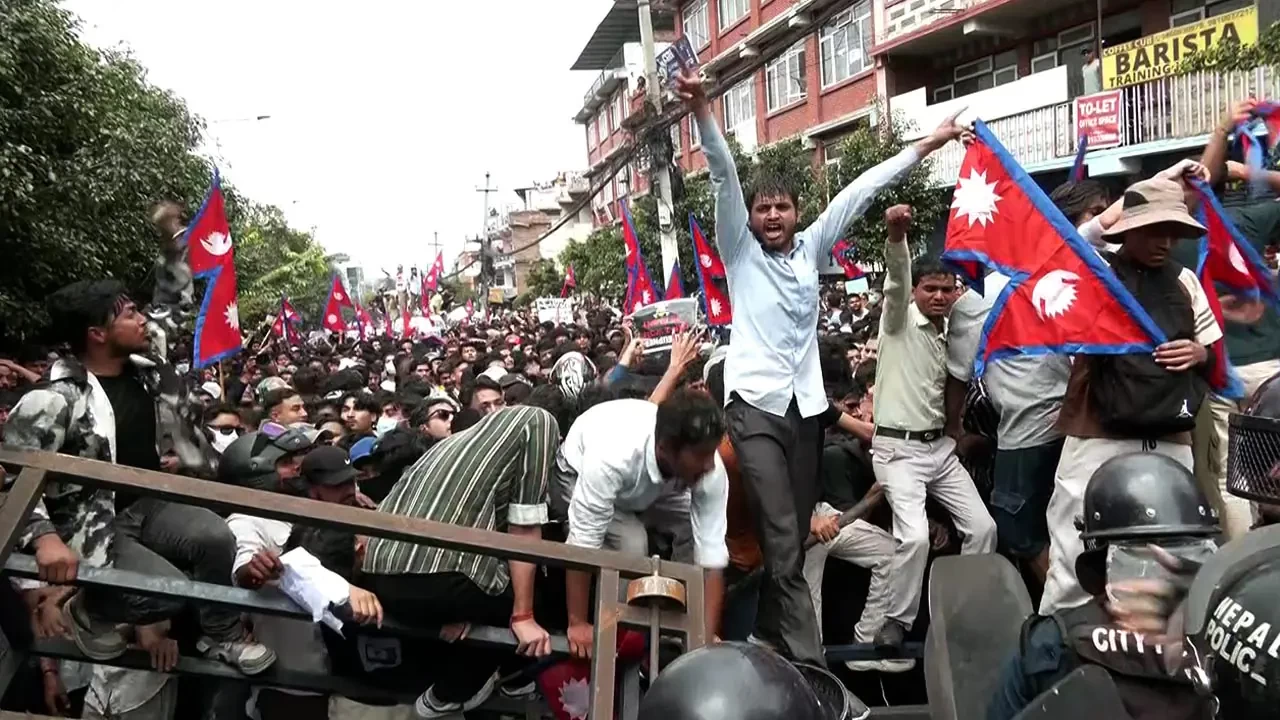
The Nepal government has lifted its ban on social media platforms following intense protests that turned violent, leaving 19 people dead and over 300 injured. The decision came late Monday night after an emergency cabinet meeting, as protests, largely led by Generation Z, escalated dramatically, culminating in deadly clashes outside the parliament building.
Nepal’s Minister for Communication, Information and Broadcasting, Prithvi Subba Gurung, confirmed the rollback of the ban, saying the government had responded to public outcry. "The government has already decided to open social media by addressing the demand of Gen Z," Gurung said. However, he stood by the original move, defending the government's rationale. "Since protests were being staged using this issue as a pretext, the decision has been taken to reopen social media sites," he added. Despite lifting the restrictions, Gurung insisted the government had no regrets about the initial ban and urged protesters to end their demonstrations.
The ban, imposed the previous week, targeted several major platforms, including Facebook, Instagram, WhatsApp, YouTube, Snapchat, Pinterest, and X (formerly Twitter). Authorities stated that these platforms failed to register under new regulations designed to curb online abuse, misinformation, and cybercrime.
Prime Minister KP Sharma Oli expressed disappointment, specifically pointing out that X had shown disregard for Nepal’s sovereignty. "We had been saying this for one and a half years. We had asked them to get listed. We had asked them to comply with Nepal's laws. It is a matter of respecting our national sovereignty," Oli said during the cabinet briefing.
According to officials, X had flatly refused to register in Nepal, despite repeated government requests. The ban triggered widespread demonstrations across Kathmandu and other cities, led predominantly by young activists accusing the government of using censorship to silence dissent. Protesters carried banners with slogans such as, “Shut down corruption, not social media”, “Unban social media”, and “Youths against corruption”.
Thousands marched towards the legislature building, attempting to breach police barricades. Authorities responded by imposing a curfew in the capital’s core areas and deploying water cannons, batons, and rubber bullets to control the crowds.
Interestingly, TikTok, which was not part of the ban, became a major platform for viral content criticising the political elite. Many videos highlighted the contrast between ordinary Nepalis struggling economically and the lavish lifestyles of politicians’ children flaunting designer goods and foreign vacations
Previously, the government had banned Telegram in July, citing rising cyber fraud and money laundering. TikTok’s earlier nine-month suspension was lifted in 2024 after the platform agreed to follow Nepali regulations.
The United Nations has called for a swift and transparent investigation into the deaths and injuries resulting from the protests. "We are shocked by the killings and injury of protesters in Nepal today and urge a prompt and transparent investigation," said Ravina Shamdasani, spokesperson for the UN Human Rights Office.
In response, the cabinet has formed an investigation committee tasked with reviewing the day’s violence. The committee has been given 15 days to submit its findings.