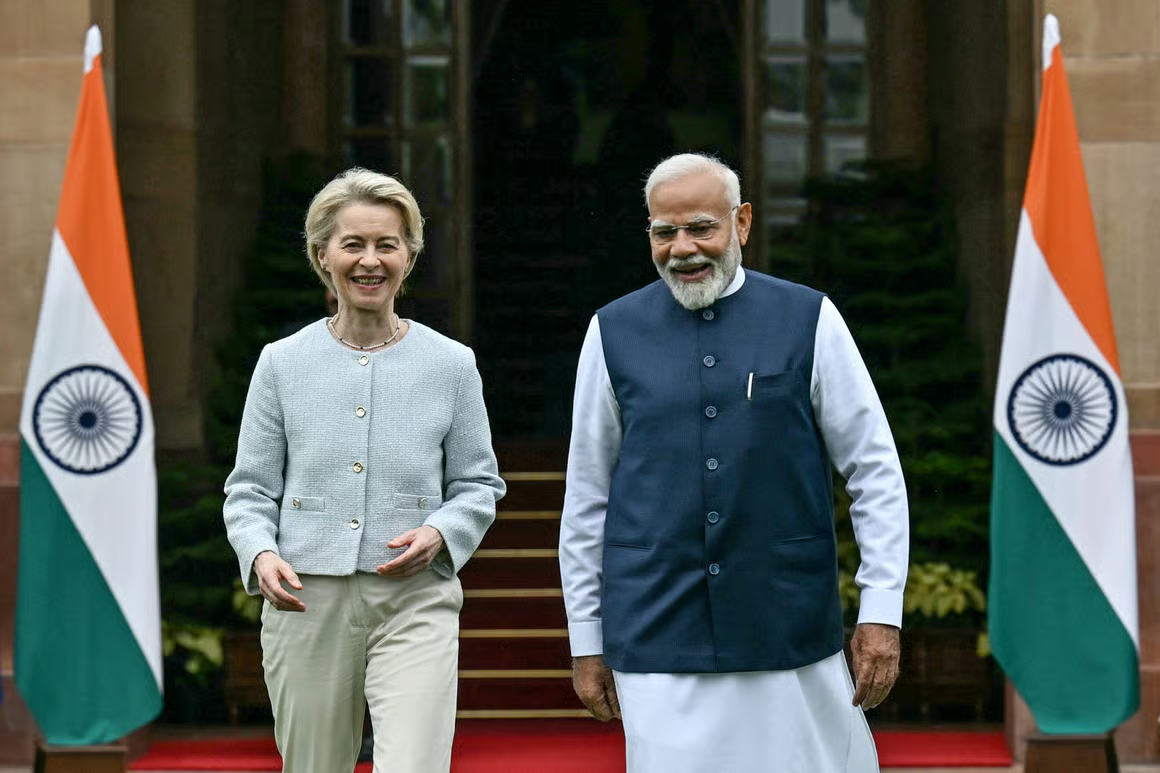
After nearly two decades of stop-start negotiations, India and the European Union have moved to conclude a landmark Free Trade Agreement (FTA) accompanied by parallel accords on defence cooperation and a mobility framework - a package that promises to reshape commercial ties and strategic coordination between the two economies. The deals, announced around the India–EU summit, aim to cut tariffs, open services, and make short-term worker movement easier while deepening security links.
Trade and manufacturing: automobiles, engineering goods, and gems
One of the most talked-about outcomes is a sweeping tariff realignment in the auto sector. Under the deal, India will sharply reduce import duties on certain passenger cars - bringing down peaks that previously reached well over 100% to substantially lower levels (an immediate cut to around 40% for a limited set of models has been reported), with a glide path thereafter. The move is intended to make European brands more competitive in India while encouraging technology transfers and joint ventures. Battery-electric vehicles, however, have been treated cautiously: the initial carve-outs and phased timelines are designed to protect nascent domestic EV investments.
Beyond autos, the FTA is expected to liberalise tariffs for engineering goods and capital equipment - sectors where Indian manufacturers already have scale and where access to European components and investment could accelerate upgrading. Jewellery and gems, a labour-intensive Indian export category, are also set to gain from lower duties and streamlined rules of origin, which could restore market share lost to competing exporters.
Pharma, IT and professional services
Services figured prominently in negotiations. India’s strengths in pharmaceuticals and information technology will likely be among the biggest beneficiaries of eased non-tariff barriers and improved regulatory cooperation. The FTA reportedly includes commitments to open market access and mutual recognition in certain professional services - a boon for consultants, engineers, and medical and scientific firms that rely on cross-border contracts and collaborations. For Indian IT firms, easier data-flow arrangements and clearer procurement rules could translate into new contracts with European public and private buyers.
Worker mobility: short-term visas and skilled movement
A mobility framework negotiated alongside the trade text is expected to simplify short-term travel and temporary work arrangements for skilled professionals, researchers and students. While the pact is not a free movement agreement, it should reduce visa friction for intra-company transfers, project-based engineers, healthcare specialists, and academic exchanges — a practical improvement for sectors that depend on on-site expertise. Businesses in software, healthcare, research and advanced manufacturing stand to gain the most from faster, more predictable movement of personnel.
Security and defence: new strategic contours
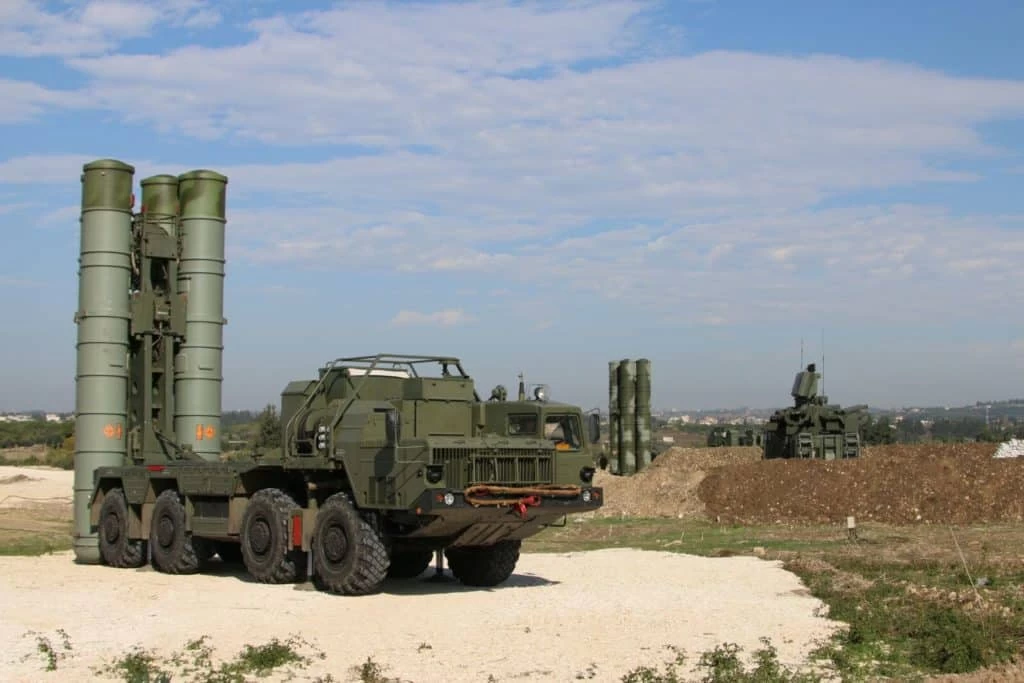
In a notable strategic overlay, the EU and India have also agreed to expand defence and security cooperation. The draft security partnership envisages regular defence dialogues, collaboration on maritime security, cybersecurity and counterterrorism, and potential Indian participation in select European defence initiatives where legally permissible. For India’s defence industry, deeper EU engagement could open procurement, co-development and technology-sharing channels - while signalling a broader geopolitical alignment on supply-chain resilience.
For many Indian industries - textiles, gems and jewellery, pharmaceuticals, IT, engineering and autos - the FTA presents both fresh opportunity and fresh competition: a stimulus for upgrading products, processes and skills to meet European standards and buyer expectations.