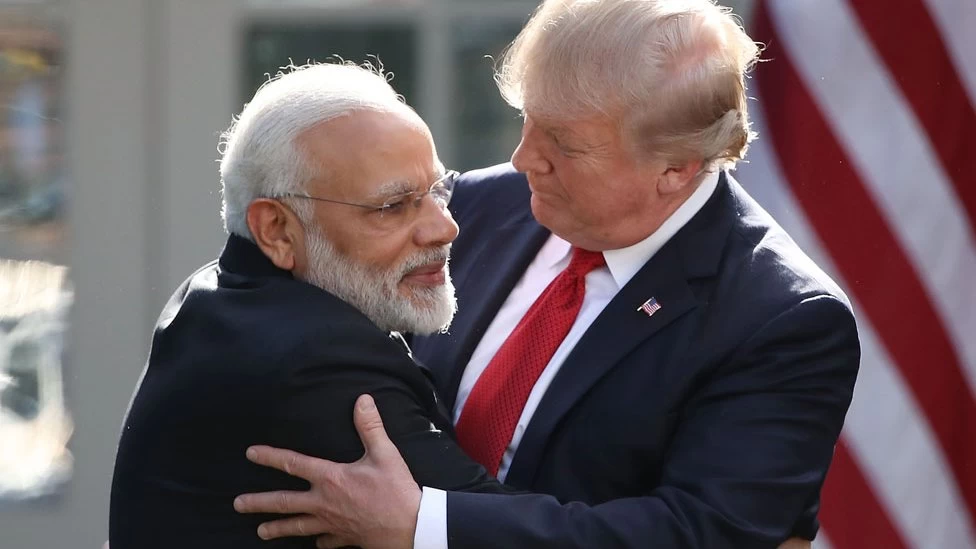
Tensions between the United States and India have reached a new flashpoint following US President Donald Trump’s threat on Monday to “substantially raise” tariffs on Indian goods due to India’s continued purchase of Russian oil. The sharp rebuke from India’s Ministry of External Affairs (MEA) on Monday marks a rare escalation in diplomatic rhetoric, highlighting the growing strain in US-India relations amid a broader tariff war and geopolitical manoeuvring over Russia’s war in Ukraine.
President Trump took to his social media platform, Truth Social, to criticise India’s trade practices, accusing the country of profiting from Russian oil purchases while ignoring the human cost of the Russia-Ukraine conflict. In his post, Trump stated:
“India is not only buying massive amounts of Russian Oil, they are then, for much of the Oil purchased, selling it on the Open Market for big profits. They don’t care how many people in Ukraine are being killed by the Russian War Machine. Because of this, I will be substantially raising the Tariff paid by India to the USA. Thank you for your attention to this matter!!! President DJT”
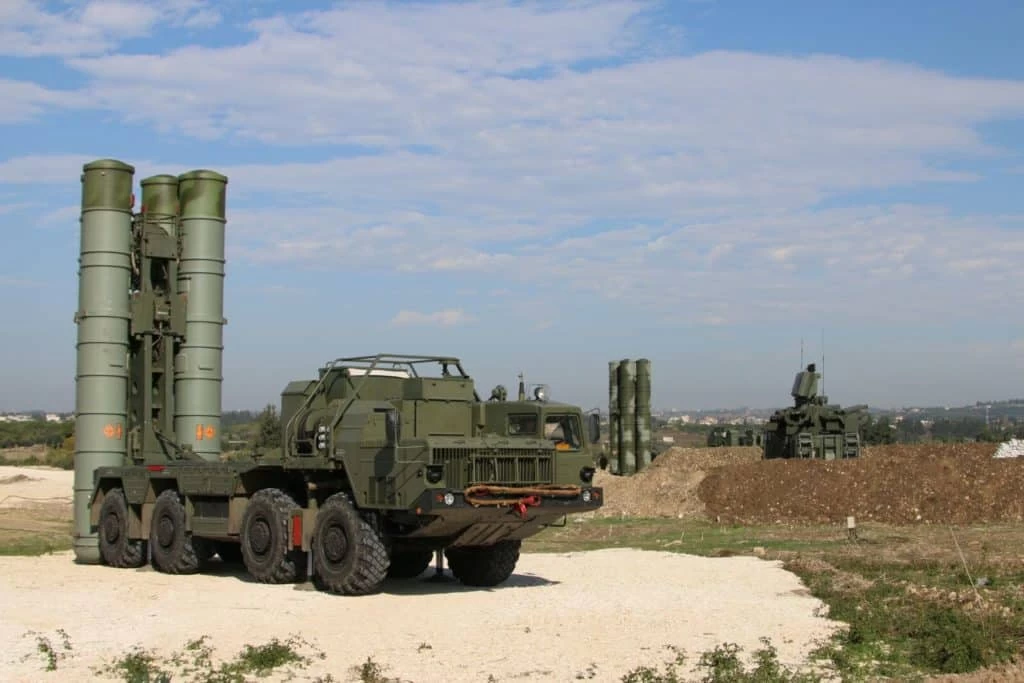
This statement follows Trump’s earlier announcement on July 30, 2025, of a 25% tariff on Indian imports, effective August 1, along with an unspecified “penalty” for India’s trade with Russia, including purchases of oil and military equipment. Trump has repeatedly cited India’s high tariffs on US goods, described as “among the highest in the world” and its non-monetary trade barriers as justifications for his actions.
India’s Sharp Response: “Unjustified and Unreasonable”
India’s Ministry of External Affairs issued a strongly worded statement on Monday night, minutes after Trump’s post, condemning the US and European Union for what it called “unjustified and unreasonable” targeting of India over its Russian oil imports. The MEA defended India’s energy strategy, emphasising that the imports were a necessity driven by global market disruptions following the Russia-Ukraine conflict in 2022. The statement highlighted that traditional oil supplies from the Gulf were diverted to Europe, prompting India to turn to Russia to ensure affordable and predictable energy prices for its consumers. The MEA also pointed out perceived hypocrisy in Western criticism, noting that both the US and EU maintain significant trade with Russia. The statement read:
“India has been targeted by the United States and the European Union for importing oil from Russia after the commencement of the Ukraine conflict. In fact, India began importing from Russia because traditional supplies were diverted to Europe after the outbreak of the conflict. The United States at that time actively encouraged such imports by India for strengthening global energy markets stability. … It is revealing that the very nations criticising India are themselves indulging in trade with Russia. Unlike our case, such trade is not even a vital national compulsion.”
The MEA cited data showing that the EU’s trade with Russia in 2024 included €67.5 billion in goods and €17.2 billion in services, far surpassing India’s total trade with Moscow. Additionally, it noted that the US continues to import uranium hexafluoride, palladium, fertilisers, and chemicals from Russia, underscoring the selective nature of the criticism directed at India.
India reiterated its commitment to safeguarding its national interests and economic security, stating, “Like any major economy, India will take all necessary measures to safeguard its national interests and economic security.”
India’s energy trade with Russia has been a focal point of the dispute. Since the Russia-Ukraine war began in 2022, India has emerged as the second-largest buyer of Russian crude oil after China, accounting for approximately 35% of its oil imports in the first half of 2025. This shift was driven by economic necessity, as discounted Russian oil saved India billions while providing Moscow with a critical export market after Western sanctions.