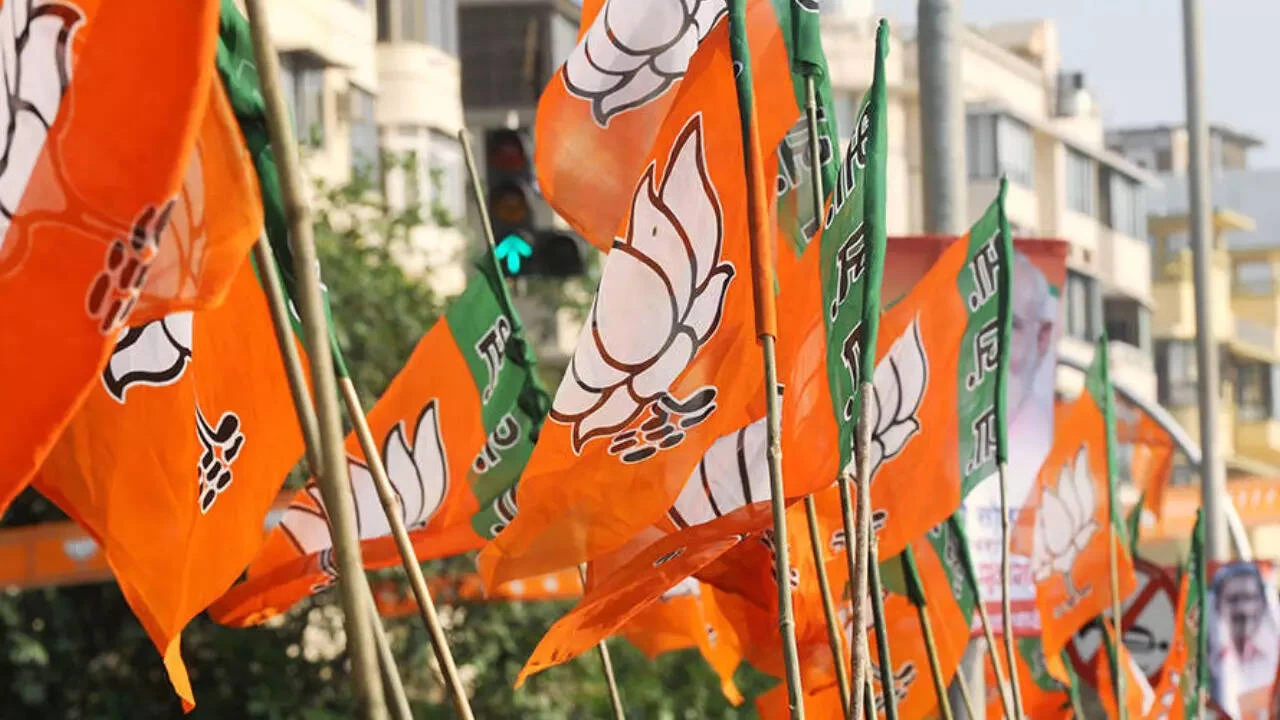
As Maharashtra gears up for crucial civic polls, including the high-stakes Brihanmumbai Municipal Corporation (BMC) elections on January 15, 2026, a wave of polarising rhetoric has dominated the discourse. Despite the Bharatiya Janata Party (BJP) and its allies holding power in the state for much of the past decade and controlling key municipal bodies like the BMC for nearly three decades alongside former partners, the campaign has veered heavily into communal territory. Leaders from the BJP and its Mahayuti alliance have repeatedly invoked divisive narratives, stoking fears of demographic shifts, "jihad" conspiracies, and religious threats to rally voters. This approach raises questions about fear-mongering and why a party touting development achievements in their report card feels compelled to rely on it.
Observers note that Mumbai, a city plagued by issues like overcrowded trains claiming six lives daily, rampant slum proliferation affecting half its population, and shrinking open spaces, deserves a campaign focused on solutions. Instead, the narrative has often pivoted to invented threats targeting minority communities, particularly Muslims. In at least seven documented instances, BJP or allied leaders made communally sensitive statements during this election cycle. Observers say, they illustrate a pattern - inflammatory language that has drawn crowd and also criticism.
1. Ameet Satam's "Vote Jihad" and "Land Jihad" Allegations: Mumbai BJP President Ameet Satam, in a speech during the Model Code of Conduct period, accused Muslims of engaging in "vote jihad" and "land jihad." He claimed "jihadis" had infiltrated places like the Goregaon Sports Club and were aiding illegal Rohingya and Bangladeshi migrants in acquiring land and documents, warning of a broader threat to society. This rhetoric was flagged by groups like Citizens for Justice and Peace as violating electoral laws.
2. Nitesh Rane's "Love Jihad" Invocation: Maharashtra Minister Nitesh Rane, a BJP leader, sparked outrage by referencing "love jihad" in a public address, framing interfaith relationships as a conspiracy. The remarks prompted calls for action from election authorities and opposition leaders, who accused him of inciting communal tensions amid the polls.
3. Nitesh Rane's "Vote Jihad" Video and Claims: Just days before polling, Rane shared a video purportedly showing Muslim men urging voters to oppose the BJP, labelling it as "vote jihad." He questioned whether this was an organised effort to influence the BMC outcome, further amplifying fears of minority-led electoral manipulation.
4. Ameet Satam's Warning Against a "Khan" Mayor: Referencing the election of a Muslim mayor in New York, Satam declared, "We will not allow any Khan to become mayor of Mumbai," positioning the fight against "appeasement politics" and "vote jihad." This statement escalated the communal tone, drawing accusations of polarising the electorate along religious lines. Interestingly Mumbai never had a Muslim mayor, ever. There’s hardly any muslim representation in Maharashtra cabinet under Chief Minister Devender Fadnavis.
5. Devendra Fadnavis' "Marathi and Hindu" Mayor Pledge: Chief Minister Devendra Fadnavis asserted that "the next Mumbai Mayor will be Marathi and Hindu," reinforcing the BJP's narrative of protecting regional and religious identity. Critics argued this explicitly tied civic leadership to ethnicity and faith, sidelining merit and inclusivity.
6. Kapil Mishra's Response to Asaduddin Owaisi: BJP leader Kapil Mishra dismissed AIMIM chief Owaisi's comments on Muslim women's rights by saying that if they "woke up" to their freedoms, Owaisi would be "forced to wear a burqa and run." The remark, made during a rally, was criticised for its gendered and communal undertones.
7. Nitesh Rane's "Vote for UBT is Vote for Pakistan" Claim: In a campaign speech, Rane equated supporting the Shiv Sena (UBT) with voting for Pakistan, injecting nationalist jingoism into local polls. This drew backlash for unnecessarily internationalising and communalising a municipal contest. (Note: This aligns with broader patterns reported in independent analyses.)
These instances, while not exhaustive, underscore a strategy that prioritises a particular kind of ialogue. Ironically, the BJP's long tenure in state and municipal governance - spanning 10 of the last 12 years at the state level - should provide ample ground to highlight tangible progress. Yet, the reliance on such tactics is unmissable even in a local body election. As Mumbai and other cities vote on Thursday. the real question lingers: Will fear eclipse facts, or will citizens demand accountability for the everyday crises that truly define urban life?