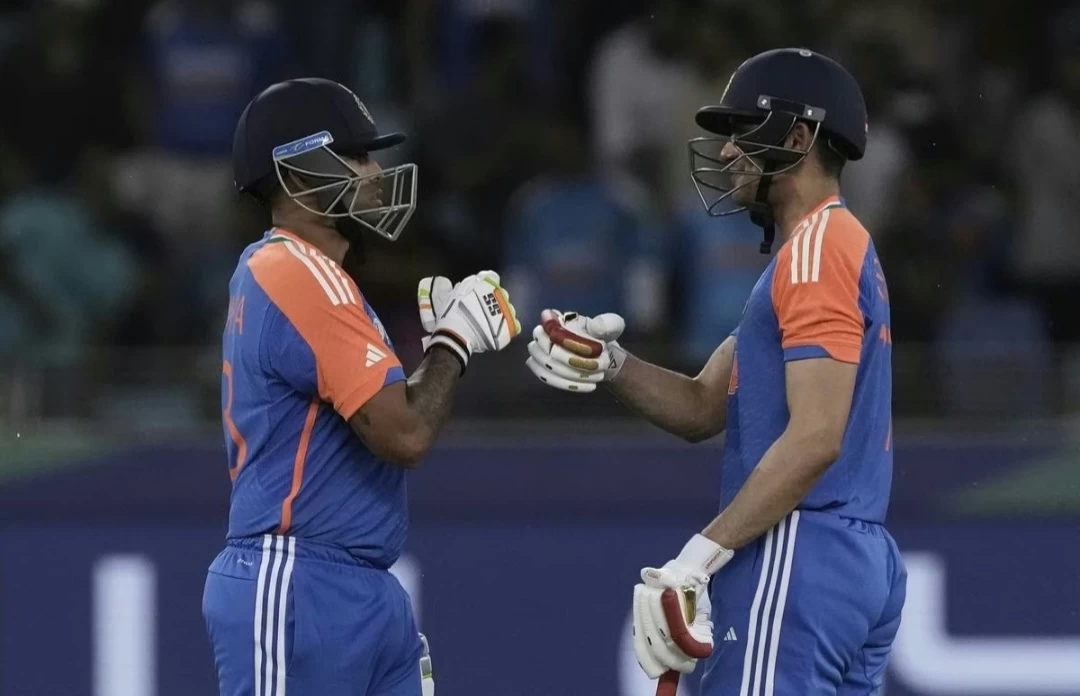
In a match that blended high-stakes cricket with simmering geopolitical tensions, India secured a commanding seven-wicket victory over Pakistan in the Asia Cup 2025 at Dubai International Stadium on Sunday. But the triumph on the field was overshadowed by a fierce domestic debate back home, reignited by the tragic Pahalgam terror attack earlier this year. Opposition voices in India lambasted the government's decision to proceed with the fixture, drawing stark parallels between halted water flows and unchecked sporting ties.
The encounter, which saw India chase down Pakistan's modest total of 127 in just 15.5 overs, featured standout performances from Kuldeep Yadav (3/18) and Suryakumar Yadav (47 not out). In a poignant moment during the post-match presentation, Indian captain Suryakumar dedicated the win to the nation's armed forces and the families affected by the Pahalgam incident. "We stand in solidarity with the victims and their loved ones. This victory is for those who protect us every day," he said, underscoring the emotional weight the event carried beyond the boundary ropes.
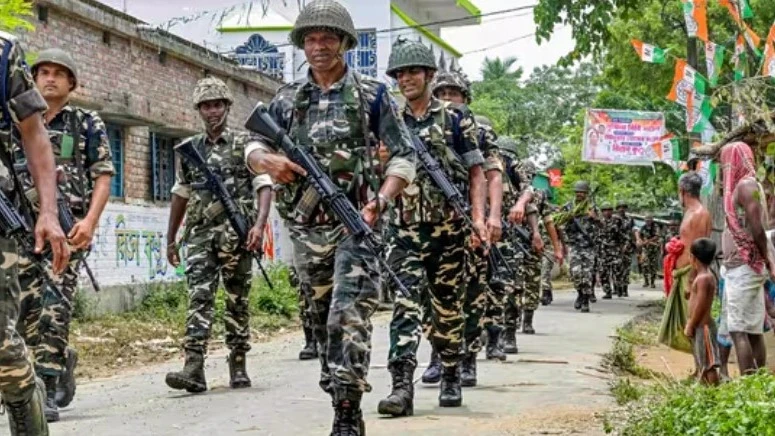
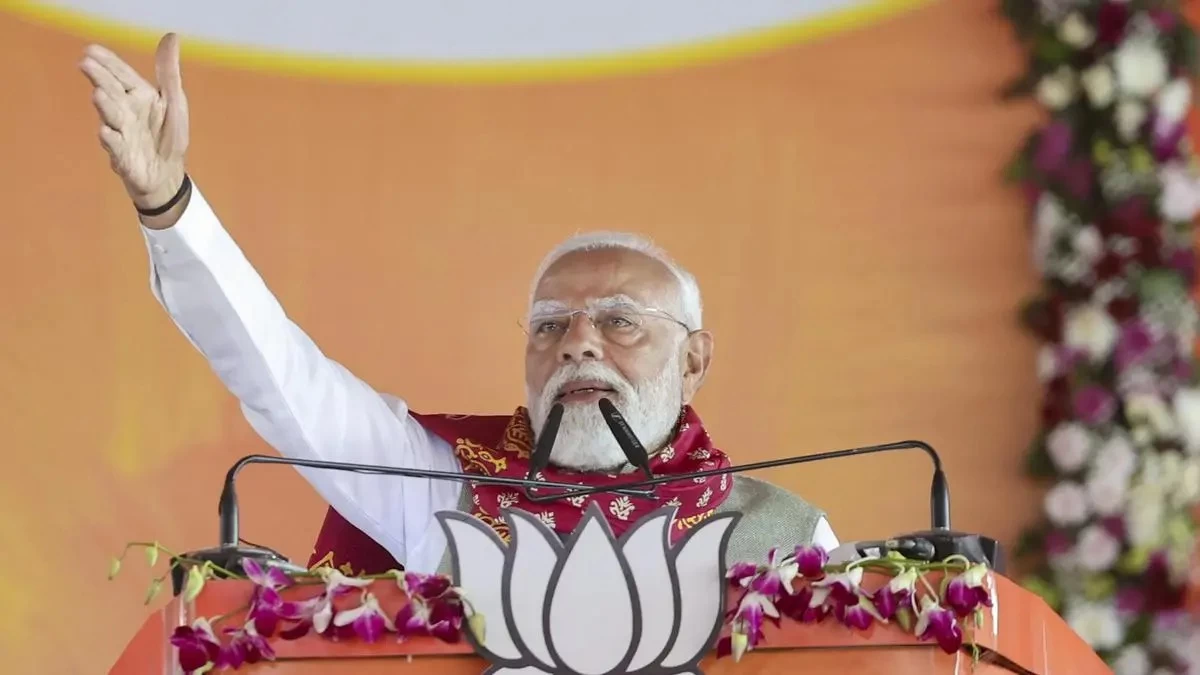
The Pahalgam attack, which claimed 26 lives on April 22 in the scenic Kashmir valley, has been a flashpoint in India-Pakistan relations. Indian authorities swiftly attributed the assault to militants backed by groups operating from Pakistan, including proxies linked to Lashkar-e-Taiba. The incident prompted Prime Minister Narendra Modi to invoke his 2016 rhetoric on cross-border terrorism, declaring once again that "blood and water cannot flow together." In a decisive move, India suspended the Indus Waters Treaty, effectively closing key dam gates and restricting water flows to Pakistan, a step that exacerbated bilateral strains and led to international concerns over potential water scarcity in the region.
Just four months after the attack and amid the treaty's fallout, the Asia Cup showdown reignited calls for a boycott. Families of the victims and cricket enthusiasts alike voiced outrage on social media, arguing that engaging in sports with a nation accused of sponsoring terror undermines India's resolve. The Board of Control for Cricket in India (BCCI) faced backlash for not seeking a postponement, with critics pointing to the empty stands in Dubai as evidence of waning public support.
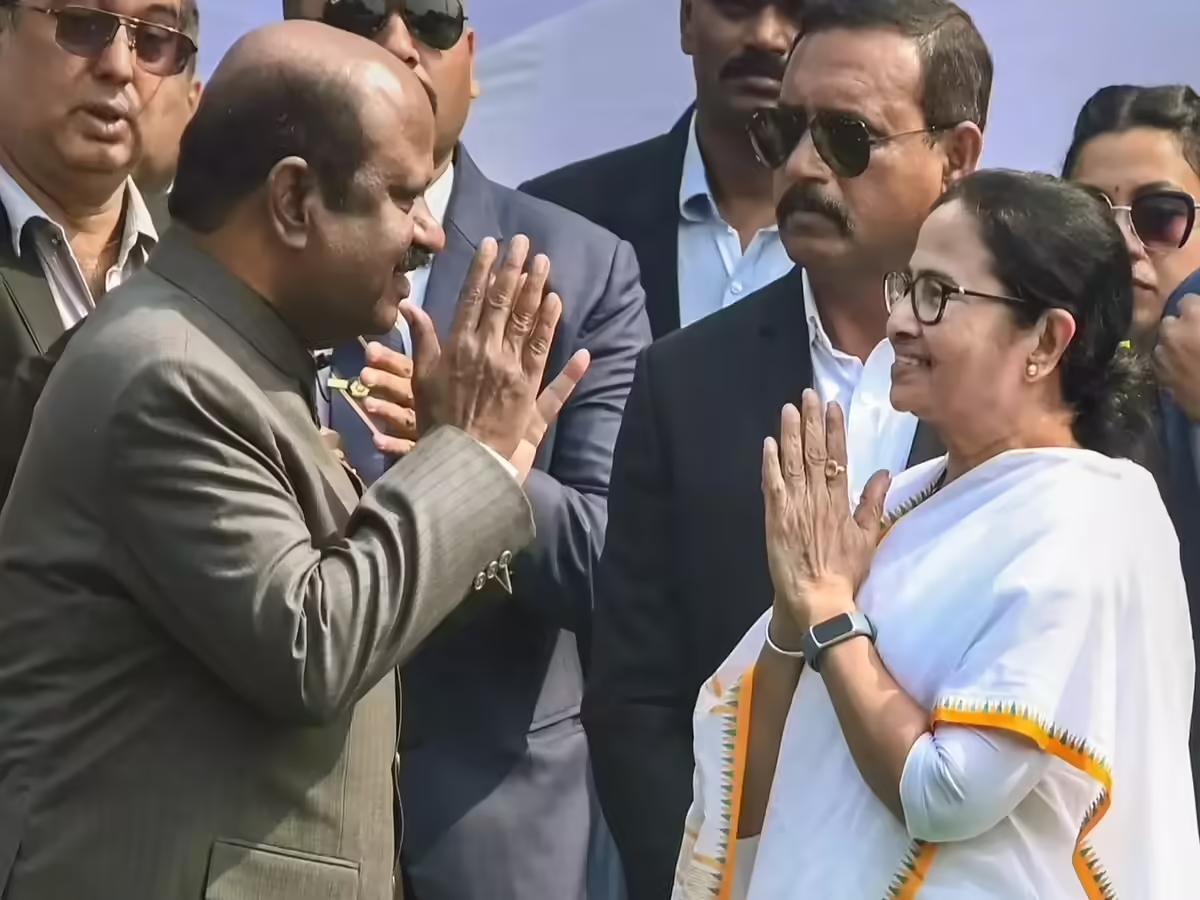
Opposition leaders seized on the irony, questioning the consistency of India's foreign policy. Trinamool Congress MP Mahua Moitra, known for her sharp critiques of the ruling Bharatiya Janata Party (BJP), took to social media to highlight the contradiction. "If blood and water can't mix, how can cricket and terror coexist on the same pitch? The government shut the dams but opened the gates for this farce," Moitra posted, echoing sentiments that have fuelled protests across the country. Her remarks drew widespread support, amplifying demands for a review of sporting engagements with adversarial neighbours.
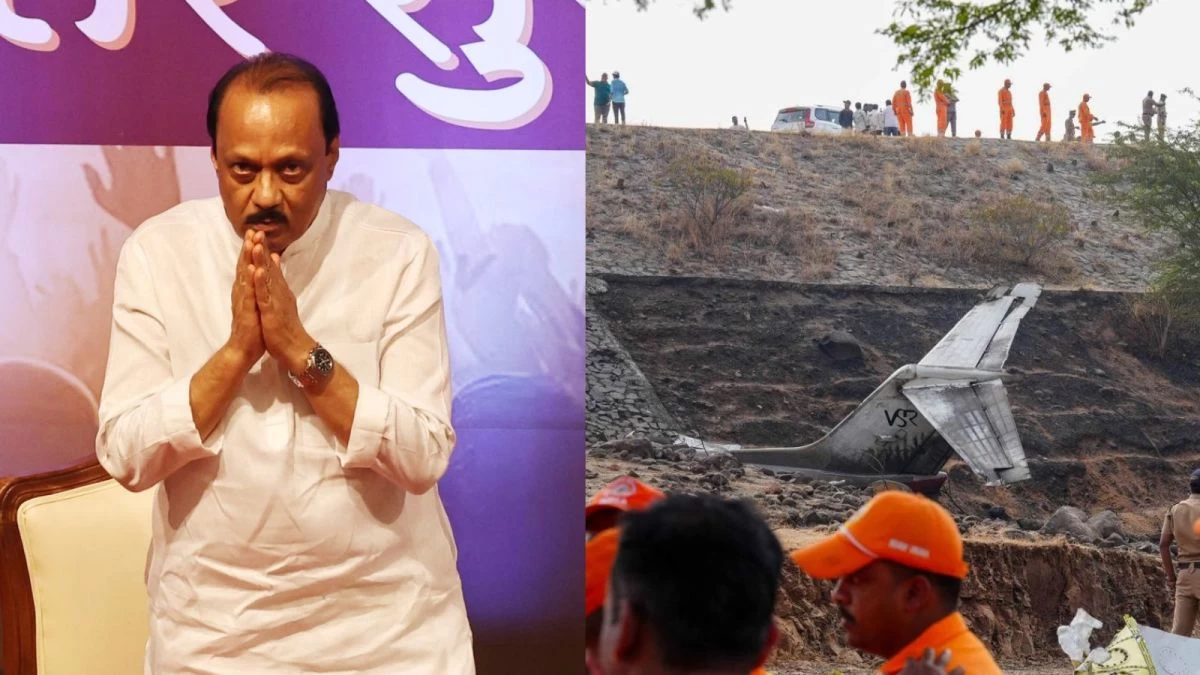
Shiv Sena (UBT) chief Uddhav Thackeray went further, staging a symbolic protest by smashing a television set airing the match highlights. In a statement released by his party, Thackeray decried the fixture as "an insult to our martyrs." "We stopped the water to send a message against terror, yet we're applauding runs against the very sponsors of that violence. Should cricket trump national honour?" he asked, urging the BCCI to prioritise security over spectacle. His son, Aaditya Thackeray, echoed these views in a separate broadside against the central government, linking the cricket decision to perceived lapses in addressing the attack's perpetrators.
The controversy extended to the pitch, where post-match protocols became a microcosm of the rift. Pakistan lodged a formal protest after Indian players reportedly avoided handshakes, opting instead to retreat to their dressing room in a show of solidarity with Pahalgam's victims. Pakistan's stand-in captain Salman Agha skipped the presentation ceremony, citing "disappointment" over the frosty exchange.
While the BCCI defended the match as a neutral, continental event under the Asian Cricket Council's purview, the episode has spotlighted broader questions about sports diplomacy. Debate sparked off if it was a unilateral decision by BCCI to play against Pakistan or if the Government of India had given approval for that. Experts say such a high profile match can not happen without the approval the government, questioning the intent of the BJP government that had banned Pakistani YouTube channels in India soon after Pahalgam attack. PM Modi while blaming Pakistan for the attacks, had even claimed that the terror emanating from there was sponsored or backed by the rogue state. Questions arise, will the economy of the India Pakistan match not help that same rogue nation earn money, which in turn can allegedly of towards funding terror against India? The Pahalgam aftermath, including Operation Sindoor - a retaliatory strike by Indian forces has already strained ties to breaking point.