.webp)
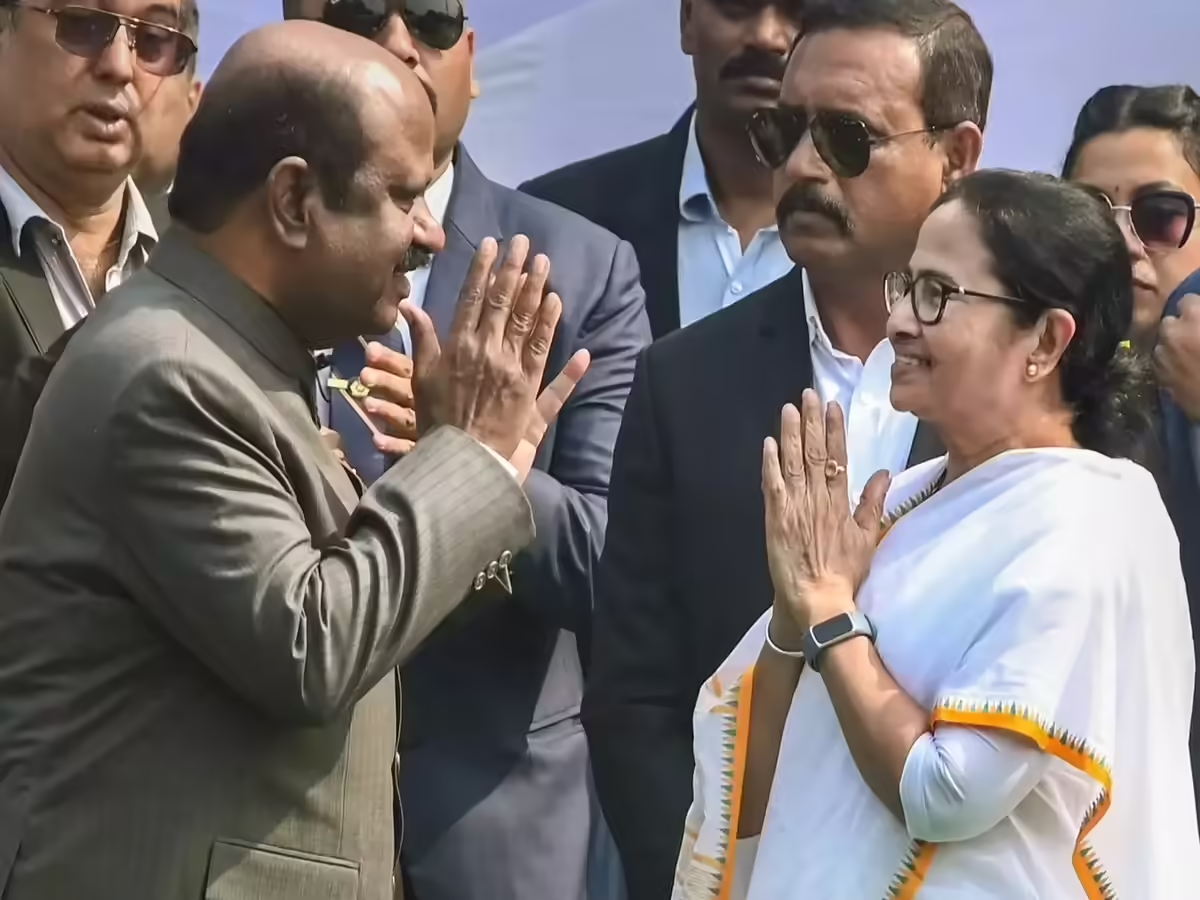
Union Home Minister Amit Shah on Friday launched a veiled attack at West Bengal Chief Minister Mamata Banerjee, accusing unnamed political parties of attempting to “shield infiltrators” by obstructing the Special Intensive Revision (SIR) of electoral rolls being undertaken across several states. These remarks come a day after Mamata Banerjee sharply criticised the SIR process, calling it “chaotic, coercive and dangerous” in poll-bound Bengal.
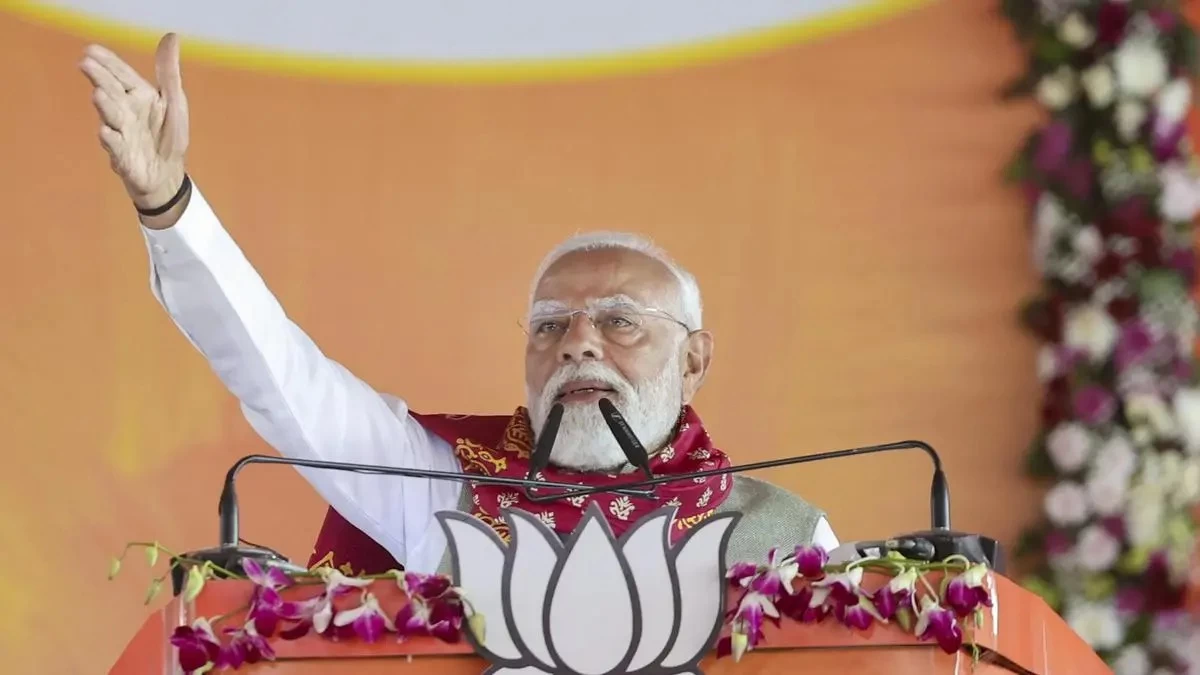
In a post on X, Amit Shah insisted that preventing infiltration was crucial not only for national security but also for safeguarding the integrity of India’s democratic institutions. “Stopping infiltration in India is essential to protect the country’s security and prevent the democratic system from being polluted,” he wrote.
He further alleged that certain parties were actively resisting the Election Commission’s purification exercise. “Unfortunately, some political parties have embarked on a journey to protect these infiltrators and are opposing the cleansing work being carried out in the voter list,” Shah said.
Meanwhile, Mamata Banerjee on Thursday escalated her confrontation with the Election Commission in a strongly worded letter to Chief Election Commissioner Gyanesh Kumar. She claimed the SIR exercise had reached a “deeply alarming stage”, asserting that it was being implemented in an “unplanned, dangerous” manner that had “crippled the system from day one”.
According to the Bengal Chief Minister, officials and citizens were being forced to comply with an exercise marked by “the absence of basic preparedness, adequate planning or clear communication”. She said the process had descended into disarray due to “critical gaps in training”, confusion over required documents and the challenges faced by booth-level officers (BLOs) expected to visit voters “in the midst of their livelihood schedules”.
Banerjee wrote that BLOs, many of them teachers and frontline workers, were being overwhelmed as they attempted door-to-door verification while grappling with faulty servers and repeated data mismatches. “At this pace, it is almost certain that by December 4, voter data across multiple constituencies cannot be uploaded with required accuracy,” she warned.
She added that officers operating under “extreme pressure and fear of punitive action” risked making erroneous entries, potentially disenfranchising genuine voters and “eroding the integrity of the electoral roll”. The failures, she argued, had rendered the exercise “structurally unsound” and placed its credibility in jeopardy.
Calling for urgent intervention, Banerjee appealed to the CEC to halt the process, withdraw coercive measures, improve training, provide adequate support and reassess the entire methodology. “If this path is not corrected without delay, the consequences for the system, the officials and the citizens will be irreversible,” she cautioned, urging “responsibility, humanity and decisive corrective action”.
The BJP rejected Banerjee’s charges, accusing her of attempting to derail a lawful and long-established process. Leader of Opposition Suvendu Adhikari, in a separate letter to the CEC, said the Chief Minister was seeking to “undermine” the Election Commission and protect an “illicit vote-bank” allegedly cultivated by her party. He dismissed her allegations of chaos, noting that similar revision exercises have been conducted since the 1950s, including a major initiative in 2002–03.
Adhikari described Banerjee’s communication as “a calculated attempt to sow discord among election officials, discredit the ECI’s constitutional mandate and protect a vote-bank of ineligible and illegal elements her government has nurtured for years”. He also accused her of “intimidating” booth-level officers and making “unacceptable insinuations” against the CEC. “Such conduct from the head of a state government must be condemned,” he said.