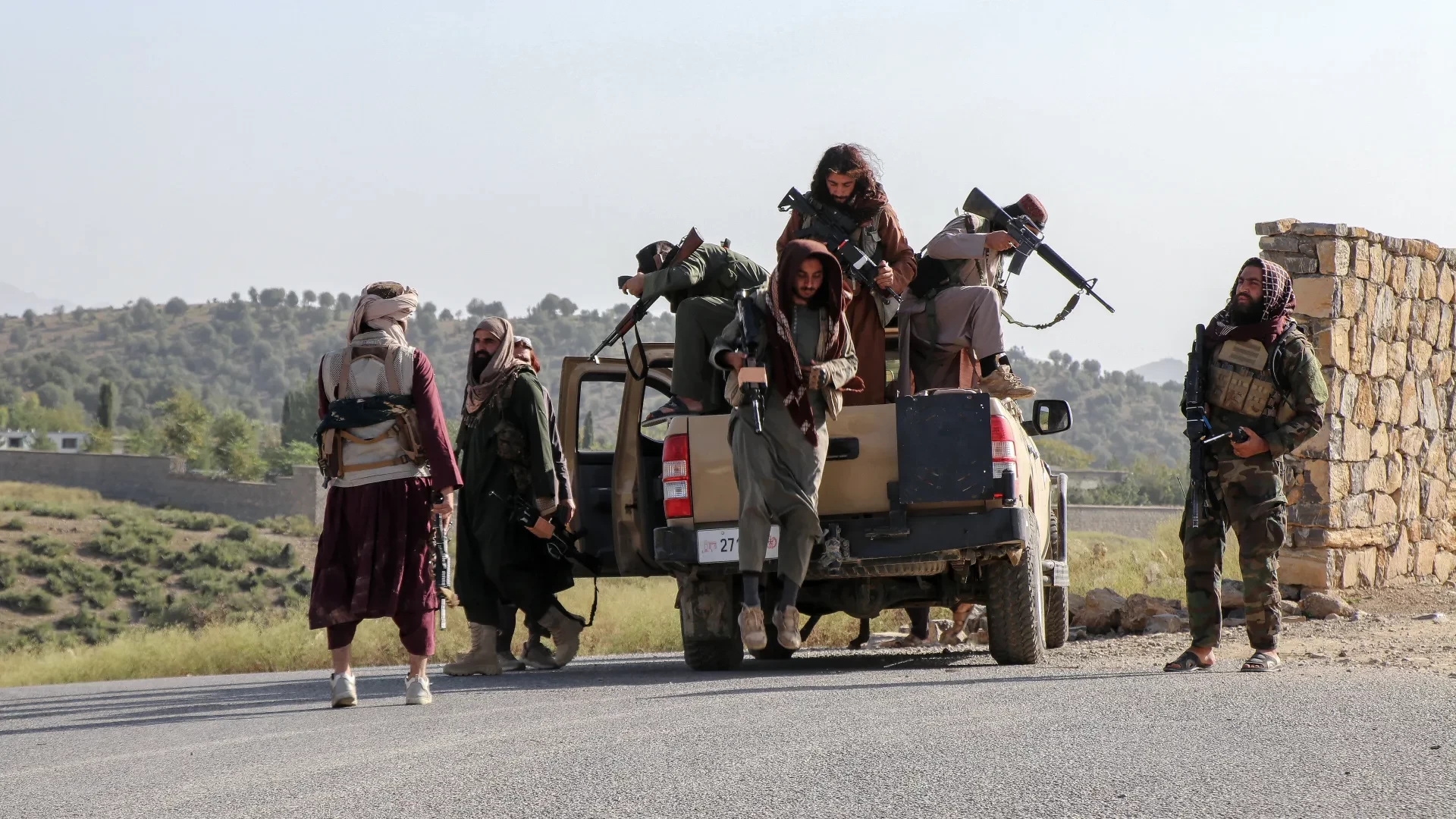
In a dramatic escalation of longstanding border tensions, Afghan Taliban forces and Pakistani military units exchanged heavy gunfire over the weekend of October 11-12, 2025, leading to dozens of deaths on both sides and the closure of key border crossings. This incident, described as the most intense since the Taliban seized control of Afghanistan in 2021, has raised fears of broader regional instability amid accusations of cross-border terrorism and diplomatic maneuvering.
The violence began with alleged Pakistani airstrikes on targets in Kabul and Paktika province in eastern Afghanistan on the night of October 9-10, 2025, which the Taliban condemned as an "unprecedented and violent" aggression. These strikes were reportedly aimed at hideouts of the Tehreek-e-Taliban Pakistan (TTP), a militant group that Pakistan accuses the Afghan Taliban of sheltering. In retaliation, Taliban fighters launched assaults on Pakistani border posts near the provinces of Kunar and Nangarhar on Saturday night, October 11. The fighting involved heavy weaponry and extended into physical raids, with both sides claiming to have captured enemy positions.
In a statement posted on X, Taliban spokesperson Zabihullah Mujahid said that Pakistani forces launched an attack on the border district early in the morning using light and heavy weapons. He said several Pakistani soldiers were killed in retaliatory action by Afghan forces.
"Unfortunately, this morning, Pakistani forces once again launched attacks with light and heavy weapons on Afghanistan in the Spin Boldak district of Kandahar, as a result of which more than 12 civilians were martyred and more than 100 were injured. After that, Afghan forces were forced to take retaliatory action," Zabihullah Mujahid posted on X.
"In retaliatory operations, multiple Pakistani aggressor soldiers were killed, their posts and centres were captured, weapons and tanks fell into the hands of Afghan forces, and most of their military installations were destroyed. However, the mujahideen, with high spirits, are ready to defend their homeland, sanctuaries, and people," he further added.
Pakistan described the Taliban's initial attacks as "unprovoked" and responded with counterstrikes on Taliban camps and support networks inside Afghanistan. The clashes centered around major border points like Torkham and Chaman, leading to their temporary sealing and disrupting vital trade routes. By Sunday, October 12, mediation efforts from Qatar and Saudi Arabia helped halt the immediate hostilities, but fresh skirmishes were reported in subsequent days.
Historical and Broader Context
The root of these clashes lies in deep-seated disputes over the 1,600-mile Durand Line, a colonial-era border that Afghanistan has never fully recognised, leading to frequent skirmishes. Pakistan, which historically backed the Taliban during its insurgency against U.S.-led forces, has seen relations deteriorate since the group's 2021 takeover. A key flashpoint is the surge in attacks by the TTP, an ideologically aligned but separate group from the Afghan Taliban, which has conducted over 600 operations against Pakistani forces in the past year alone. This has made 2025 the bloodiest year for Pakistani security personnel in a decade, with more than 2,400 fatalities in the first nine months.